Web Design Development Process at NGBSS
Web Design Development Process at NGBSS
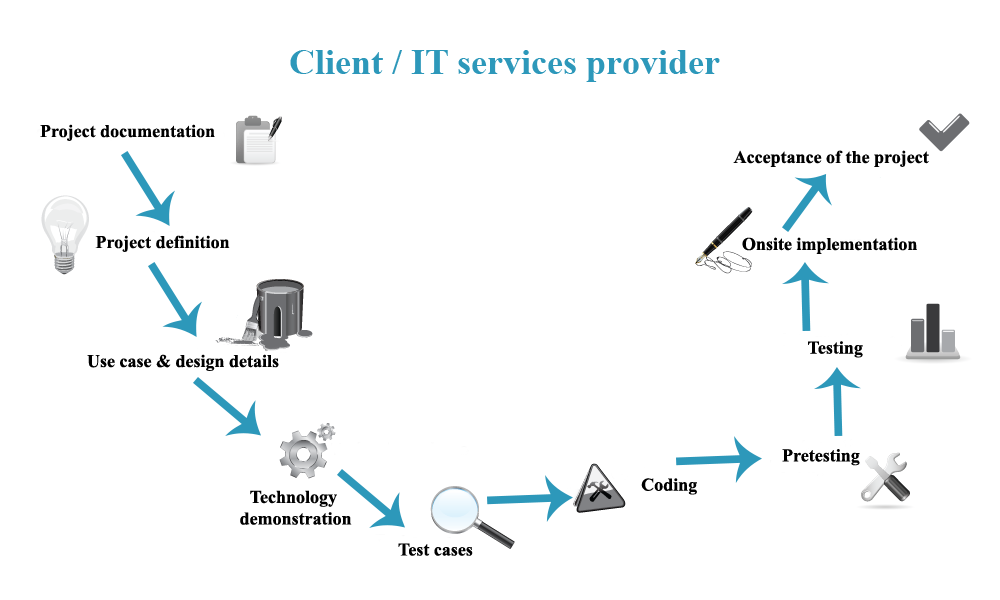
At NGBSS, the web design development process is structured as a precise, professional, and fully transparent workflow designed to deliver predictable outcomes, exceptional user experience, and long-term digital stability. Each stage is built on strategic thinking, technical expertise, and deep understanding of the client’s business model. Rather than approaching design as “visual decoration,” we treat it as a core pillar of digital transformation, conversion optimization, and brand positioning.
Our specialists analyze the business environment, user expectations, competitive landscape, industry standards, and long-term scalability needs. Every visual and functional choice is made deliberately. Because many companies rely on their website as a primary sales channel, we ensure that every phase—from planning to execution—is aligned with performance, clarity, speed, and measurable ROI. Depending on future development needs, our web design process can be fully integrated with website development consulting, complete web development, or long-term maintenance through website maintenance.
Our Web Design Development Stages
1. Project Documentation
The documentation phase is the foundation of the entire project. We collect all relevant information about your business, target audience, goals, technical environment, and functional expectations. This includes understanding brand identity, tone of communication, competitive positioning, and structural needs. We fully assess existing systems (if any), identify limitations, evaluate content quality, and highlight opportunities for improvements.
This initial step ensures that the design direction is aligned with the business strategy and provides clarity for all subsequent stages. Companies planning long-term website growth can rely on this stage to define future integrations with services like custom software development or cloud-based solutions.
2. Project Definition
The second step involves transforming documentation into a structured, concrete project plan. This includes defining architecture, sitemap, interface logic, navigation flows, functional modules, and required integrations. In this phase we also determine what technologies are best suited for implementation and clarify the exact scope, boundaries, and deliverables.
Our project definition phase ensures that NGBSS and the client share a perfectly aligned vision. For e-commerce or scalable digital platforms, this phase may include preparation for integrations with WordPress online stores or other CMS-based ecosystems.
3. Use Cases and Design Details
Next, we develop real use cases that illustrate how users will interact with the website. These scenarios help us structure navigation flows, optimize the user journey, and define interface behavior. Based on these use cases, our UX/UI designers begin creating layout structures, wireframes, color systems, typography rules, and visual identity elements.
Every UI decision is grounded in UX principles: readability, intuitive interaction, visual hierarchy, accessibility, and conversion logic. For companies that aim to expand into fully customized digital systems, this stage aligns perfectly with future custom software development or application extensions.
4. Technology Demo
This stage gives the client a preview of the visual and functional direction of the project. We provide interactive prototypes or visual previews so the client can validate design concepts before full implementation begins. This reduces risks, accelerates feedback cycles, and ensures that everyone agrees on the final approach.
The technology demo is particularly important for complex projects involving integration with IT systems or transitioning to modern infrastructures supported by IT outsourcing services.
5. Test Planning
We prepare the testing strategy by defining all scenarios required to validate essential functionalities, UI behavior, responsiveness across devices, and compatibility across browsers. This phase ensures that once development is complete, the site can be thoroughly validated with no functional gaps.
We define acceptance criteria, UX validation rules, performance requirements, and quality metrics to ensure the final website meets high professional standards.
6. Coding
Once the design concept is approved, the development team begins the full implementation process. This includes front-end programming, responsive behavior, component logic, API integrations, and performance optimizations. We build the website using modern, secure, scalable technologies that guarantee longevity.
Our modular development approach ensures that the website remains easy to maintain, extend, and optimize. If the project includes future software extensions, this phase is aligned with potential evolutions such as migrations supported by web software migration services.
7. Internal Pre-Testing
Before delivering the website to the client, we perform thorough internal pre-testing. All components, layouts, forms, animations, and navigation flows are verified. Issues are fixed early to reduce revision cycles and ensure that the version delivered to the client is exceptionally stable.
This phase is essential for maintaining quality control and ensuring a smooth transition to final testing.
8. Final Testing
During final testing, we validate the website across all dimensions: functionality, UX behavior, speed, performance metrics, responsive adaptation, SEO on-page standards, and browser compatibility. We use advanced tools to measure load times, Core Web Vitals, and accessibility compliance.
The client is actively involved, validating all essential features and providing final feedback. This step ensures that the final product is polished, consistent, and ready for deployment.
9. Client-Side Implementation
The implementation stage consists of deploying the website to the live environment, configuring hosting settings, optimizing assets, setting up security layers, and validating live functionality. We take care of DNS configuration, server setup, content migration, and live environment checks.
Implementation can also include collaboration with existing infrastructure providers or integration with corporate environments, especially when paired with presentation website development.
10. Project Acceptance
The final stage is the official acceptance of the project. After validating all functionalities, we deliver documentation, usage instructions, and training if required. Once the client approves the final version, the project is formally completed.
Most clients continue with long-term support, which aligns perfectly with website maintenance and scalable growth services.
Conclusion
Through a structured, transparent, and business-oriented approach, NGBSS ensures that each web design development project delivers real value, long-term stability, and measurable digital performance. The result is a modern, fast, scalable, visually consistent website designed not only to look exceptional but to support your growth for years to come.