


Professional SEO Services: Building an Organic Growth System for Search and AI Visibility
Professional SEO services are no longer limited to ranking a few keywords. For modern businesses, SEO is an organic growth system that connects technical quality, search intent, content architecture, authority, user experience, analytics and conversion strategy. A website that wants sustainable visibility must be built for both search engines and real users.
Search behavior is more complex than before. Users compare providers, ask detailed questions, expect fast answers and increasingly interact with AI-generated summaries. This means SEO must produce clear, structured, useful and trustworthy content while also maintaining strong technical foundations.
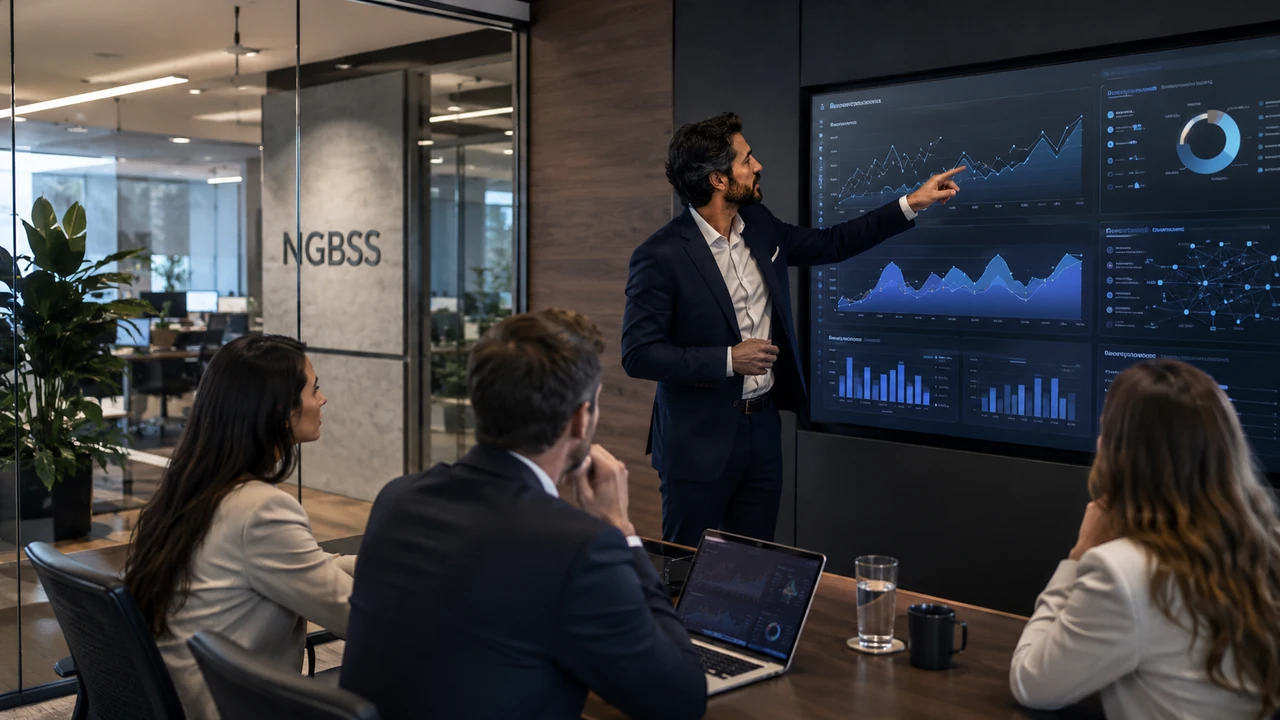
Businesses that need a structured approach to search visibility can use professional SEO services and search optimization to improve organic performance, technical health, content quality and long-term discoverability.
SEO as an organic growth system
SEO should be managed as a business system, not as a checklist of isolated tasks. Technical SEO, content strategy, internal linking, authority building and analytics must work together. If one layer is weak, the entire organic channel can underperform.
A professional SEO strategy usually connects:
- business goals;
- audience and search intent;
- technical website health;
- content architecture;
- keyword and topic research;
- on-page optimization;
- internal linking;
- authority development;
- measurement and reporting.
The goal is not only more traffic. The goal is qualified traffic that supports leads, sales, trust and market visibility.
Search intent before keywords
Keywords matter, but search intent defines the strategy. A user searching for a definition, a comparison, a price estimate or a provider has different expectations. SEO content should match those expectations.
Professional SEO work begins by identifying what the audience is trying to do. Are users researching a problem? Comparing solutions? Looking for a local provider? Ready to request a quote? Each intent requires a different type of page.
A strong SEO strategy maps keywords to intent and then maps intent to content format. Some queries require service pages. Others require articles, FAQs, comparisons, checklists, case studies or technical explanations.
Technical SEO as the foundation
Technical SEO makes it easier for search engines to crawl, render, index and understand a website. Without a clean technical foundation, content may not reach its full potential.
Technical SEO may include:
- crawlability review;
- indexation checks;
- XML sitemap optimization;
- robots.txt review;
- redirect management;
- 404 error cleanup;
- site speed improvements;
- mobile usability;
- structured data implementation;
- canonical tag review.
Technical SEO is especially important for larger websites, ecommerce stores, multilingual sites and platforms with many dynamic URLs.
Content architecture and topical authority
Modern SEO requires more than individual pages. Businesses need content architecture. This means organizing pages around services, topics, questions and decision stages so that both users and search engines can understand the company’s expertise.
Topical authority is built when a website covers a subject with depth and structure. A single service page may not be enough. Supporting articles, FAQs, comparison pages and internal links help create a stronger knowledge layer around the core service.
Good content architecture answers questions such as:
- What are the core commercial pages?
- What informational pages support them?
- Which topics deserve dedicated pages?
- How should pages link to each other?
- What content gaps exist compared to competitors?
- Which pages should target conversion?
This structure is important for Google, but also for AI systems that extract clear answers from well-organized content.
On-page SEO that improves clarity
On-page SEO should make pages clearer, not more artificial. A well-optimized page has a specific purpose, a strong title, useful headings, natural terminology, internal links and content that satisfies the user’s search intent.
On-page optimization includes:
- SEO titles;
- meta descriptions;
- heading hierarchy;
- content structure;
- image ALT text;
- internal links;
- calls to action;
- schema markup where relevant;
- content updates.
The best on-page SEO improves both search interpretation and user experience. It helps the page communicate faster and more convincingly.
Content strategy for search and AI visibility
Professional SEO content must be useful, specific and structured. Generic articles rarely create strong visibility. Search engines and AI answer systems both favor content that gives clear explanations, direct answers, context, examples and logical organization.
Effective SEO content should:
- answer real user questions;
- cover the topic with sufficient depth;
- use headings that reflect search intent;
- include concise definitions where useful;
- explain benefits, risks and decision factors;
- support commercial next steps;
- link naturally to relevant service pages;
- avoid thin or repetitive wording.
AI search visibility adds another requirement: content should be easy to extract, cite and summarize. Clear paragraphs, structured lists and direct answers help.
Internal linking and site architecture
Internal links help users and search engines move through the website. They also show which pages are important and how topics are connected. A site with weak internal linking can waste authority and leave valuable pages isolated.
Good internal linking connects articles to service pages, service pages to supporting content and related topics to each other. Anchor text should be natural and descriptive. It should help the user understand what the linked page offers.
Internal linking is especially important for service businesses, multilingual sites and content-heavy websites. It turns isolated pages into a connected SEO structure.
Authority and link building
Authority still matters in SEO. Backlinks, mentions and external references can support trust, but the quality of those signals is critical. Professional link building should focus on relevance, credibility and editorial value.
Low-quality link schemes can create risk and rarely support long-term growth. A better approach includes digital PR, useful content, relevant publications, industry mentions, partnerships and naturally earned references.
Authority building should be aligned with brand credibility. It should not be treated as buying random links. The best external signals make sense for the business and its audience.
Local SEO and service visibility
For many businesses, local SEO is essential. A company may need visibility in a specific city, region or country. Local SEO connects website optimization with business profiles, reviews, location signals and local content.
Local SEO may include:
- Google Business Profile optimization;
- consistent company information;
- local landing pages;
- review strategy;
- local citations;
- service-area content;
- location-based search intent.
Even companies that serve clients nationally can benefit from stronger local trust signals.
SEO measurement and reporting
Professional SEO must be measurable. Reports should not focus only on rankings. Rankings are useful, but they do not show the full business value of SEO.
Useful SEO reporting includes:
- organic traffic;
- impressions and clicks;
- query growth;
- landing page performance;
- technical issues;
- indexation status;
- conversion actions;
- content performance;
- backlink profile changes;
- next optimization actions.
A good SEO report explains what changed, why it matters and what should happen next.
SEO and conversion strategy
Traffic alone is not enough. SEO should support business outcomes. A page that ranks but does not convert may need clearer messaging, better calls to action, stronger proof, improved layout or a more relevant offer.
Conversion-focused SEO considers:
- commercial intent;
- page clarity;
- trust signals;
- contact options;
- lead forms;
- service explanations;
- objection handling;
- next-step guidance.
Organic growth becomes more valuable when SEO pages are built not only to attract visitors, but to support decisions.
Common SEO service mistakes
Many SEO campaigns underperform because the work is too narrow or too mechanical. Common mistakes include:
- optimizing pages without search intent research;
- publishing generic content;
- ignoring technical SEO;
- overusing keywords;
- building weak backlinks;
- not measuring conversions;
- ignoring internal linking;
- not updating old content;
- reporting only rankings;
- expecting instant results.
Professional SEO requires patience, prioritization and consistent execution.
Checklist for professional SEO services
- technical SEO audit;
- search intent research;
- keyword and topic mapping;
- content architecture plan;
- on-page optimization;
- internal linking strategy;
- content creation and updates;
- authority and backlink strategy;
- analytics and Search Console review;
- conversion-focused reporting.
Frequently asked questions about professional SEO services
What do professional SEO services include?
They usually include technical audit, keyword research, content strategy, on-page optimization, internal linking, authority building, reporting and ongoing improvements.
How long does SEO take?
SEO timelines depend on competition, website condition, content quality, authority and execution speed. Sustainable growth usually requires consistent work over several months.
Is SEO still important with AI search?
Yes. AI search increases the need for clear, structured and trustworthy content that can be understood, summarized and referenced.
Does SEO only focus on Google rankings?
No. Professional SEO also focuses on traffic quality, conversions, content usefulness, technical health and long-term organic visibility.
Can SEO generate leads?
Yes. SEO can generate leads when pages target commercial intent, answer objections and guide visitors toward a clear next step.
Conclusion
Professional SEO services help businesses build long-term organic visibility by improving technical foundations, content quality, authority, user experience and measurement. SEO is not a one-time fix. It is a continuous growth process.
Businesses that want stronger search visibility need a strategy that connects search intent, technical SEO, content architecture, authority and conversion. Professional SEO services and search optimization can provide the structure needed to turn organic visibility into measurable business value.